Minesweeper - Classic Strategy Cards Game
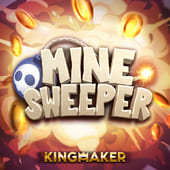
Minesweeper stands as one of the most beloved strategy games in gaming history, challenging players to reveal safe cells while avoiding hidden mines. This classic cards game variant combines logic, deduction, and risk management into an addictive puzzle experience that has captivated players for decades.
The objective of Minesweeper is deceptively simple: uncover all cells on the grid that don't contain mines. Numbers on revealed cells indicate how many mines are adjacent, providing crucial clues for strategic decision-making. Each move requires careful analysis, making Minesweeper a true test of logical reasoning.
Whether you're a seasoned player or new to the game, Minesweeper Demo mode offers the perfect opportunity to practice strategies without risk. The game's blend of skill and chance creates an engaging experience where every decision matters, and one wrong move can end the game.
What is Minesweeper?
Minesweeper is a single-player puzzle game that originated in the 1960s and gained worldwide popularity when included with Microsoft Windows. The game takes place on a grid of cells, some of which contain hidden mines. Players must use numerical clues to deduce which cells are safe and which contain mines.
As a cards game variant, Minesweeper incorporates elements of probability and risk assessment similar to card games. Each revealed cell displays a number indicating how many mines are in the eight surrounding cells, creating a logic puzzle that requires systematic elimination and pattern recognition.
The game's brilliance lies in its simplicity of rules combined with depth of strategy. Minesweeper can be played casually or competitively, with speedrun records and advanced techniques developed by dedicated players worldwide. The Minesweeper Demo version allows newcomers to learn the mechanics before playing for real stakes.
Modern online versions of Minesweeper have enhanced the classic formula with additional features like customizable grid sizes, mine density settings, and visual themes. These improvements keep the game fresh while preserving the core gameplay that made it an enduring classic.
How to Play Minesweeper?
Getting Started with Minesweeper: Begin by selecting your preferred difficulty level - Easy (9x9 grid, 10 mines), Medium (16x16 grid, 40 mines), or Hard (30x16 grid, 99 mines). Click any cell to start; the first click is always safe. Use the numerical clues to identify mine locations and flag suspected mines.
Understanding the Numbers: Each number on a revealed cell indicates how many mines are in the eight adjacent cells (horizontal, vertical, and diagonal). For example, a "1" means exactly one of the neighboring cells contains a mine. Use this information to logically deduce safe cells and mine locations.
Advanced Techniques: Experienced Minesweeper players use patterns like the "1-2-1" and "1-2-2-1" configurations to make faster decisions. Learning these patterns significantly improves your speed and accuracy. The Minesweeper Demo mode is perfect for practicing these techniques without pressure.
Flagging Mines: Right-click or long-press to place a flag on cells you believe contain mines. This helps track suspected danger zones and prevents accidental clicks. Flags don't affect gameplay but serve as visual markers for your strategic planning.
Winning the Game: Successfully reveal all non-mine cells to win. You don't need to flag all mines, but accurate flagging helps avoid mistakes. In competitive play, speed matters - the fastest completion times are achieved through pattern recognition and quick decision-making.
Minesweeper Features
Multiple Difficulty Levels: Minesweeper offers three standard difficulty settings catering to all skill levels. Beginners can start with Easy mode to learn the basics, while experts challenge themselves with Hard mode's larger grids and higher mine density. Custom difficulty options allow fine-tuning of grid size and mine count.
Intuitive Interface: Modern Minesweeper games feature clean, responsive designs optimized for both desktop and mobile play. Touch controls make it easy to flag mines and reveal cells on smartphones, while keyboard shortcuts provide efficient gameplay for traditional players.
Statistics Tracking: Track your progress with detailed statistics including win rate, best times, and games played. This feature helps players monitor improvement and compete against personal records. The Minesweeper Demo mode lets you experiment without affecting your stats.
Customizable Themes: Personalize your Minesweeper experience with various visual themes, from classic Windows-style to modern minimalist designs. Some versions offer animated mines, sound effects, and special visual cues for enhanced immersion.
Hint System: Stuck on a difficult section? Many Minesweeper versions include optional hints that highlight safe moves or confirm suspected mine locations. This feature helps beginners learn without frustration while still challenging experienced players to solve puzzles independently.
Autosave Functionality: Never lose progress with automatic game saving. If you need to step away, your current Minesweeper game is preserved exactly as you left it, ready to continue when you return.
RTP Analysis & Statistics
Minesweeper RTP Overview: While traditional Minesweeper is a skill-based puzzle game, casino-style variants incorporate Return to Player (RTP) percentages that determine theoretical payout rates. These versions transform the classic cards game into a betting experience where players wager on each cell revelation.
Probability Calculations: In betting versions of Minesweeper, RTP varies based on mine density and cashout timing. Lower mine concentrations offer higher RTP but smaller multipliers, while more mines increase potential rewards at greater risk. Understanding these probabilities is crucial for optimal strategy.
Expected Value Analysis: Professional players calculate expected value for each decision, comparing potential payouts against probability of hitting a mine. This mathematical approach transforms Minesweeper from a casual puzzle into a strategic gambling game where skill significantly influences outcomes.
Variance Considerations: Minesweeper betting exhibits high variance due to its all-or-nothing nature. A single mine ends the game regardless of progress made. Players must balance potential rewards against risk tolerance, employing bankroll management strategies suited to high-variance games.
Statistical Performance: Track your Minesweeper results to identify patterns in your gameplay. Many players achieve better results with specific mine counts or grid sizes. Use Minesweeper Demo mode to test different approaches without financial risk before committing real money.
Minesweeper Strategies
Corner Strategy: Start Minesweeper by clicking corners when possible. Corner cells have fewer neighbors, reducing the number of adjacent mines you need to track. This approach simplifies early-game decisions and provides more information with less risk.
Pattern Recognition: Master common Minesweeper patterns like "1-1" along an edge (mines must be adjacent to the 1 furthest from walls), "1-2-1" formations, and "1-2-2-1" configurations. Recognizing these patterns allows instant deductions without lengthy calculations.
Edge Working: Focus on edges and corners where information is most constrained. Solving these constrained areas first often reveals information about more complex central regions. This systematic approach reduces cognitive load and minimizes errors.
Flag Management: Don't flag every suspected mine immediately. Only flag when you're certain or when marking helps you remember complex deductions. Over-flagging can clutter the board and obscure important patterns. Practice this balance in Minesweeper Demo mode.
Speed Optimization: Competitive Minesweeper requires efficient mouse movement and quick decision-making. Use keyboard shortcuts for flagging, minimize unnecessary mouse travel, and develop muscle memory for common patterns. Record your games to identify wasted movements.
Probability-Based Guessing: When forced to guess, choose cells with the lowest probability of containing mines. Corner and edge guesses are statistically safer than center guesses when no logical moves remain. Calculate mine density in unrevealed areas to make informed guesses.
Bankroll Management: For betting versions of this cards game, establish strict limits on maximum bets and loss thresholds. Never chase losses by increasing stakes impulsively. Treat Minesweeper betting as entertainment, not income, and know when to walk away.
Related Games






Explore more exciting games! Try Golden Empire for ancient treasures, or step into the ring with Boxing King. For wild west action, check out Wild Bounty Showdown!
Minesweeper FAQ
Q: Is Minesweeper a game of skill or luck?
A: Minesweeper is primarily a skill-based game requiring logical deduction and pattern recognition. However, luck plays a role when no logical moves remain, forcing players to guess. Skilled players minimize these situations through advanced techniques.
Q: What's the best strategy for beginners?
A: Start with Easy mode to learn basic patterns. Always click corners first, and when you encounter numbers, work systematically from edges inward. Use Minesweeper Demo mode to practice without pressure before attempting harder difficulties.
Q: Can I win Minesweeper every time?
A: No, even perfect play sometimes requires guessing when multiple configurations satisfy the clues. However, skilled players win over 90% of Easy games, 80% of Medium games, and 60% of Hard games through optimal strategy.
Q: What's the world record for Minesweeper?
A: Current competitive records stand at approximately 1 second for Easy, 10 seconds for Medium, and 35 seconds for Hard. These incredible times require years of practice and perfect pattern recognition.
Q: Is Minesweeper good for your brain?
A: Yes! Minesweeper exercises logical reasoning, spatial awareness, and working memory. Regular play can improve problem-solving skills and cognitive flexibility, making it an excellent brain training activity.
Q: How does the casino version differ from classic Minesweeper?
A: Casino-style Minesweeper incorporates real-money wagering, with players betting on each cell revelation. These versions often feature adjustable mine counts affecting multipliers and RTP, transforming it into a gambling variant of the classic cards game.
Q: Can I play Minesweeper on mobile devices?
A: Absolutely! Modern Minesweeper apps are optimized for touch controls with long-press to flag mines and tap to reveal cells. The mobile experience is excellent for casual play and learning strategies.
Q: What's the difference between Minesweeper and similar puzzle games?
A: Unlike Sudoku's pure logic or Picross's pixel art deduction, Minesweeper combines spatial reasoning with probability assessment. Its unique blend of certainty and uncertainty creates an addictive gameplay loop unmatched by other puzzle games.
Ready to Master Minesweeper?
Put your logic and deduction skills to the ultimate test with Minesweeper! Whether you're a beginner learning the basics or an expert chasing speed records, this timeless cards game offers endless strategic depth and satisfying challenges.
Practice with Minesweeper Demo mode to hone your skills, then compete for real rewards in our betting variant. Join thousands of players who have discovered why Minesweeper remains one of gaming's most beloved puzzles after decades of play.